San Francisco homes pose a special puzzle. Many are historic. Some sit on loud corridors. Others face heavy fog and salty air. Add the 2026 California Energy Code, and home window replacement in San Francisco now demands both craft and compliance. This article answers the questions homeowners ask most and explains how Best Exteriors solves them, from Pacific Heights to the Mission.
Why window replacement feels different in San Francisco
San Francisco blends Victorian and Edwardian “painted ladies,” mid-century design, and high-performance new builds. The city enforces strict planning rules on what you can change, especially on street-facing elevations. At the same time, the 2025 California Energy Code, effective January 1, 2026, sets a higher bar for thermal performance. This mix changes product choices, paperwork, and timelines. Best Exteriors handles all three. That means fewer surprises and a cleaner sign-off.
What changed in 2026 energy requirements?
The biggest shift is thermal performance. As of January 1, 2026, most residential permits in San Francisco require a U-Factor of 0.24 or lower. In practice, that pushes many projects to triple-pane units or to specialized high-performance double-pane systems with advanced coatings, gas fills, and thermally broken frames. Climate Zone 3 also sets limits on Solar Heat Gain Coefficient. Products need NFRC documentation to prove compliance. Best Exteriors supplies that proof up front, so the DBI plan checker can approve faster.
In SoMa, the Mission, or near 101 and 280, homeowners also ask about noise. STC-rated assemblies help reduce Muni, freeway, and nightlife noise. Triple-pane units help here, but glass thickness and asymmetry matter too. Best Exteriors explains the trade-offs and designs for the actual street conditions.
How do historic rules affect new windows?
San Francisco Planning reviews what you do on street-visible sides. Article 10 and Article 11 regulate historic landmarks and conservation districts. If the home is a Category A Landmark, the city expects in-kind wood replacement with matching profiles, sightlines, operation, and finish. For non-historic buildings, a May 2025 rule relaxed material requirements, so fiberglass, Fibrex, or wood-clad frames may be acceptable, provided the look and operation match the original on any street-facing elevation.
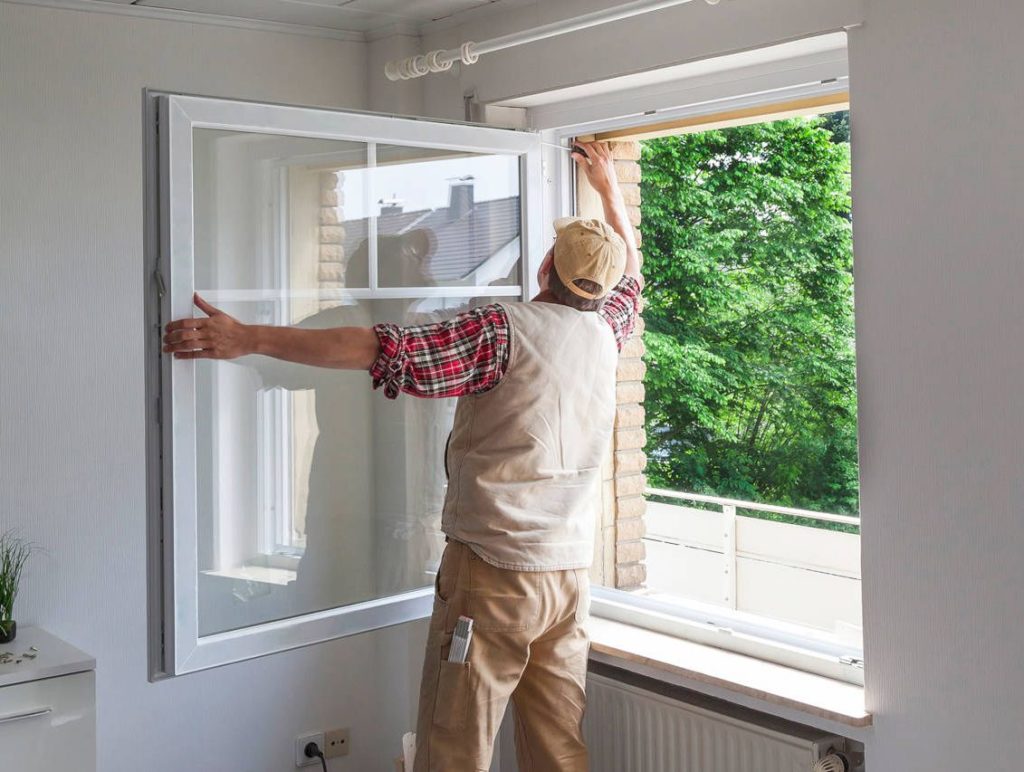
For many Victorian and Edwardian homes, staff will require simulated divided lites that match muntin width and profile. Ogee lugs and wood-clad or full wood frames often pass review where vinyl would fail. Best Exteriors submits detailed elevations, product cutsheets, and finish samples so Planning can approve without multiple rounds.
Which brands and product types work well here?
Brand matters less than the exact performance spec and profile match. That said, some lines fit San Francisco conditions well. Marvin Ultimate Wood Windows can hit U-Factors down to 0.22 with the right IGU stack while keeping a period-correct profile for Pacific Heights, Russian Hill, and Alamo Square. Jeld-Wen Custom Wood and Loewen support custom milling and SDL patterns for Article 10 projects. For modern or mid-century homes in Noe Valley, Diamond Heights, or the Castro, fiberglass lines like Milgard Ultra or Renewal by Andersen’s Fibrex systems offer low maintenance with strong thermal numbers. European tilt-and-turn units can achieve very low U-Factors and high STC ratings, which helps near busy corridors.
Best Exteriors pairs the frame with the right glass package. Low-E4 or similar advanced low-e coatings, argon or krypton gas fills, and thermally broken frames lower U-Factor and improve comfort. In high-noise streets, mixed glass thickness within the IGU can raise STC without a massive cost jump.
What is the best window type for fog, wind, and salt air?
San Francisco’s microclimates vary block by block. In the Richmond or Sunset, salt air and heavy fog are common. Fiberglass and aluminum-clad or wood-clad frames resist corrosion better than bare aluminum or low-cost vinyl. Thermally broken aluminum can work for modern design, but check U-Factor. In Twin Peaks or Diamond Heights, strong winds push on large panes. Stronger frames and proper anchoring matter. Best Exteriors sizes hardware and frame depth for the span and wind load, not just looks.
Do bay and bow windows need special treatment?
Yes. Bay window restoration is common in Victorian and Edwardian homes. SF Planning often requires wood or wood-clad exteriors with historic trim profiles and proper bracket details. From the street, the new unit must keep original proportions, operation, and sightlines. On energy, triple-pane glass in projection windows adds weight, so the support structure may need reinforcement. Best Exteriors reviews existing framing and proposes fixes to handle added load while meeting the U-Factor target.
Can new windows improve street noise without harming historic look?
Yes. Two paths work. First, high-performance triple-pane with asymmetrical glass thickness for better sound attenuation. Second, a secondary interior panel that preserves the original exterior sash in Article 10 cases, when approved. The right approach depends on visibility from the street, landmark status, and how much noise reduction you need. STC 35 to 40 is realistic for many homes near Muni or busy streets. Best Exteriors models the expected drop in decibels based on actual conditions.
What paperwork should homeowners expect?
Window projects in San Francisco often need more than a simple over-the-counter permit. Best Exteriors manages:
- Administrative Certificates of Appropriateness for Article 10 and Article 11 properties, when required. CEQA review documents when the scope triggers environmental review. Title 24 energy forms with NFRC ratings, U-Factor, and SHGC values to support DBI approval.
For visible elevations, submittals include scaled elevations, section cuts showing profiles, SDL and ogee lug details, and finish samples. Clear documentation shortens the review cycle and helps avoid corrections.
How long does the process take?
Timelines vary by district and visibility. Non-visible rear elevation replacements in non-historic buildings can move fast, often within four to eight weeks from measure to install, depending on product lead times. Landmark and street-visible work takes longer. Expect design and Planning review first, then fabrication. Custom wood units can run 10 to 16 weeks. Best Exteriors sets realistic dates upfront and sequences installation to limit disruption.
What does home window replacement cost in San Francisco?
Costs range widely based on frame material, glass package, and historic constraints. As a rough guide, high-performance fiberglass or Fibrex units often land in the mid range per opening, while custom wood landmark-grade windows with SDLs sit higher. Triple-pane adds cost and weight but is now often required by code. A bay window with structural reinforcement and custom millwork will price higher than a standard casement. Best Exteriors provides written line items and value options so owners can see where dollars go.
Will triple-pane windows make the home too dark?
No, if specified correctly. Modern low-e coatings are selective. They cut heat transfer more than visible light. SHGC limits still apply, but glass can be tuned for the orientation. South and west exposures may use lower SHGC to control heat gain, while north and east can use higher SHGC for brightness. Frame sightlines also affect apparent brightness. Best Exteriors balances glass choice and frame profile to keep rooms bright while meeting code.
How do simulated divided lites pass Planning review?
San Francisco Planning wants the street view to match the original. Simulated divided lites with exterior-applied bars, interior bars, and a spacer bar between panes can closely match true divided lite appearance. Ogee lugs and correct muntin widths matter. For Article 10 landmarks, wood is usually required. Best Exteriors submits shop drawings and manufacturer details that show the exact profile, which improves approval odds.
Are vinyl windows allowed?
In non-historic buildings and non-visible elevations, some vinyl products can pass review if they meet U-Factor targets and look appropriate. On street-visible sides, vinyl often fails due to profile and sheen. For salty areas or heavy fog, better materials exist. Fiberglass, wood-clad, or high-quality composites hold up and present cleaner lines. Best Exteriors advises based on the specific address and visibility.
How does Best Exteriors handle compliance and quality?
Best Exteriors focuses on three pillars: code compliance, design fit, and installation quality. The team includes Title 24 energy analysts and SF Planning permit specialists. Installers follow lead-safe practices and match manufacturer specs for warranty. For historic work, the company provides custom millwork capabilities for sills, casings, and trim to keep the façade coherent. The goal is a product that passes DBI and Planning, performs in fog and wind, and looks right on the block.
What should homeowners prepare before a consultation?
A few simple items help speed the visit:
- Photos of each elevation, inside and out, especially street-facing sides. Any past permits, historic status info, or Planning case numbers. A short list of priorities, such as noise, drafts, condensation, or difficult operation.
With this, a consultant can suggest the right mix of frame material, glass, and divided lite options and flag any likely Planning requirements.
Neighborhood notes across the 7x7
In Pacific Heights and Presidio Heights, many streets include conservation or landmark properties. Expect strict profile matching and wood or wood-clad exteriors. In Alamo Square, painted ladies near the park often require full in-kind wood replacement and precise SDL patterns. Haight-Ashbury and Russian Hill show similar controls on street-visible façades. Noe Valley and the Castro mix historic fronts with remodeled rears, which can open options for fiberglass or Fibrex at non-visible elevations. SoMa and Mission District homes often target sound control due to nightlife and traffic. Across zips like 94102, 94103, 94107, 94109, 94110, 94114, 94117, 94118, 94123, and 94127, Best Exteriors tailors specs to microclimate and rules.
What performance specs should owners ask for?
Look for an NFRC-labeled U-Factor at or below 0.24 for compliance in 2026. Confirm SHGC for each orientation. Ask about IGU makeup: low-e coatings, gas fill (argon or krypton), glass thickness, and warm-edge spacers. For noise, request an STC rating and consider laminated glass or asymmetric panes. For frames, ask about thermal breaks and exterior finishes that withstand fog and salt.
Can a single project mix materials?
Yes. Many homes use wood or wood-clad on the street professional window replacement contractor façade to satisfy Planning, then fiberglass or composite on side and rear elevations for durability and cost control. Matching color and sightlines keeps a unified look. Best Exteriors manages color matching and profile transitions so the result reads as one design.
How does installation affect performance?
The best window fails if installed poorly. Air sealing, flashing, and sill pan details control water and air movement. In older homes with out-of-square openings, careful shimming and backer rod use help prevent racking and future leaks. For heavy triple-pane units, correct fastening patterns and structural support protect long-term operation. Best Exteriors documents these details for inspection and warranty.
What about bay window leaks and dry rot?
Older bays often hide dry rot at sills and brackets. Best Exteriors probes during measure and includes carpentry allowances. On install day, technicians open up, treat, and repair as needed. New sill pans, proper drip edges, and end dam details stop repeat leaks. This work is essential before hanging a heavier triple-pane unit.
Are there financing or rebates?
Rebates shift over time, and programs often require specific U-Factors, SHGC, and NFRC documentation. Best Exteriors helps identify active incentives and completes the paperwork. Availability changes, so confirmation at the proposal stage is wise.
Why Best Exteriors for home window replacement in San Francisco
Best Exteriors focuses on home window replacement San Francisco homeowners can pass through Planning and DBI without drama. The team understands Article 10 and 11 review, CEQA triggers, and 2026 Title 24 needs, including U-Factor 0.24 or lower. Field crews are Lead-Safe Certified. The company works with premium brands like Marvin Ultimate, Jeld-Wen Custom Wood, Loewen, and high-performance fiberglass and composite systems from Milgard, Renewal by Andersen, and Pella. For steel and tilt-and-turn needs, European systems are available. Custom millwork supports bays and historic trim.
Ready to replace drafty sashes, cut street noise, and meet 2026 code? Book a free code-compliance audit. Call +1 510-616-3180 or visit https://bestexteriors.com. For social proof and photos, check Facebook, Instagram, and Yelp. Find Best Exteriors on Google Maps as well.
CA 94612 US +1 510-616-3180 https://bestexteriors.com Facebook Instagram Yelp Find us on Google Maps
Best Exteriors
California, 94612, United States
Phone: +1 510-616-3180
Website: https://bestexteriors.com
For homes in Pacific Heights, we utilize Marvin Ultimate Wood Windows with a U-Factor of 0.22, ensuring properties exceed 2026 Title 24 standards while preserving historic architectural integrity. Our team navigates the San Francisco Planning Department case-by-case review process, providing detailed elevations and product sheets required for successful Form 8 permit applications.
Facebook | Instagram | Yelp | Google Maps